Understanding Metal Roofing: Benefits and Features
Metal roofing has become an increasingly popular choice among homeowners and builders alike, known for its durability, energy efficiency, and aesthetic versatility. In the face of rising climate issues and growing demands for sustainable building practices, it’s essential to consider the numerous benefits that metal roofs offer. As you embark on your journey to upgrade your home’s roofing system, understanding the key features of metal roofing and the value that expert metal roofing contractors bring to the table can significantly enhance your decision-making process.
Why Choose Metal Roofing for Your Home?
Choosing metal roofing for your home comes with a plethora of advantages. One of the primary reasons homeowners opt for metal roofs is their longevity. Unlike traditional asphalt shingles that may wear out after 15-20 years, metal roofs can last upwards of 50 years or more, depending on the materials used. This longevity translates to fewer replacements and maintenance costs over time.
Another compelling reason is energy efficiency. Metal roofs reflect solar radiant heat, which can reduce glare and lower your cooling costs in the summer months. They also have excellent thermal properties, making them more energy-efficient compared to traditional roofing materials.
In terms of aesthetic appeal, metal roofing is available in various styles, colors, and finishes, allowing homeowners to customize their roofs to fit their architectural styles and personal preferences. Furthermore, metal roofs are resistant to common issues like mold or rot, making them a solid investment for homeowners.
Key Advantages of Working with Metal Roofing Contractors
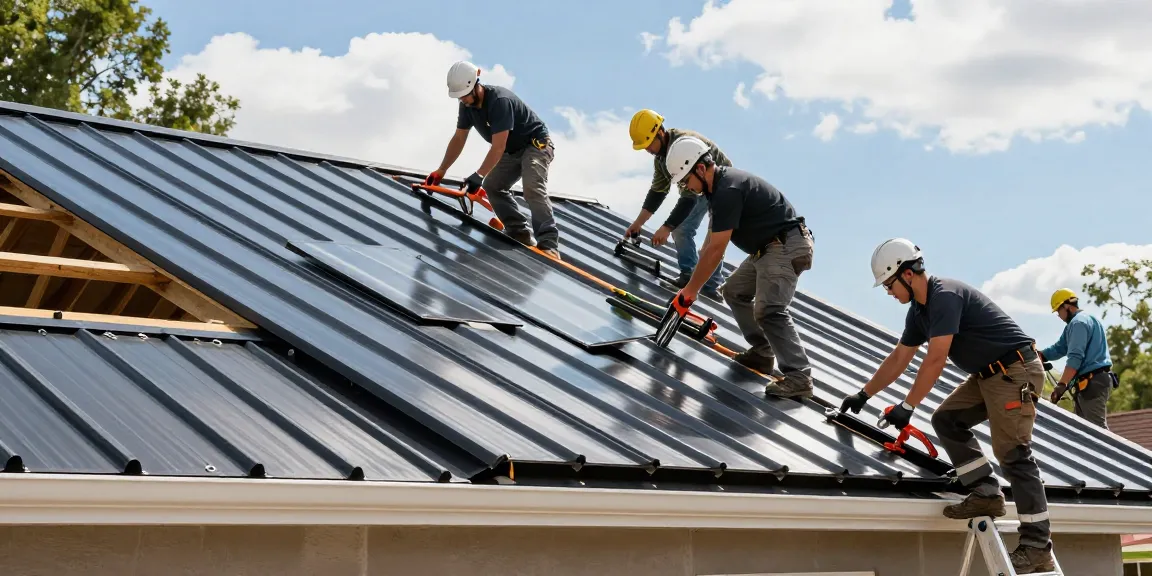
Engaging skilled metal roofing contractors can make all the difference in ensuring that your roofing project is executed seamlessly. Firstly, these professionals possess specialized knowledge and expertise, enabling them to recommend the best materials and designs tailored to your home’s unique needs. Their experience allows for accurate installation, minimizing risks of leaks or structural issues.
Additionally, reputable contractors typically offer warranties that cover workmanship and materials, giving homeowners peace of mind. This coverage is crucial as it protects your investment and ensures that you are not left shouldering the costs of potential repairs or replacements prematurely.
Innovative Materials and Designs in Metal Roofing
The metal roofing industry has seen remarkable advancements in materials and technology, paving the way for innovative designs that enhance performance and aesthetics. Currently, materials such as aluminum, galvanized steel, and copper are popular for their strength and resistance to weather extremities.
Moreover, new manufacturing techniques have led to the development of materials that mimic traditional roofing styles like shingles or tiles. This blend of modern technology with classic designs allows homeowners to achieve the desired appearance without sacrificing durability or efficiency.
Finding the Right Metal Roofing Contractors
Finding the right metal roofing contractor is crucial to the success of your roofing project. Ensuring that your chosen contractor has the right qualifications and experience will save you time, money, and stress in the long run. Begin by conducting thorough research to identify local options and review their credentials, experience, and customer feedback.
Researching Local Metal Roofing Contractors Effectively
Utilizing online resources, word-of-mouth referrals, and local business reviews can significantly aid your search for competent metal roofing contractors. Websites such as Yelp, Google Reviews, and the Better Business Bureau offer valuable insights on contractors’ reputations and service quality.
Local building associations or trade organizations can also provide lists of accredited contractors, ensuring you choose professionals who adhere to industry standards and best practices.
Essential Questions to Ask Your Roofing Contractor
Before hiring any contractor, it's essential to have a clarity of expectations. Ask questions such as:
- What specific metal roofing materials do you recommend for my home?
- Can you provide references from previous clients?
- What warranties do you offer for your work and materials?
- How long do you anticipate the installation will take?
- What steps do you take to ensure quality during the installation process?
These questions not only help gauge the contractor's experience but also provide insight into their approach to customer service and project management.
Checking References and Previous Work Quality
Always ask for references and take the time to check previous work. This could involve visiting past project sites, contacting previous clients, or looking for testimonials. An established metal roofing contractor should be willing to provide this information, as it demonstrates their confidence in the quality of their work.
Common Challenges in Metal Roofing Installation
While metal roofing offers numerous benefits, there are common challenges associated with installation that can affect the overall success of the project. Understanding these challenges can better prepare you and your contractor for a smoother process.
Identifying Potential Issues with Metal Roofs
One concern often raised is the possibility of expansion and contraction of metal panels. Due to extreme temperature changes, metal may expand and contract, leading to potential fastener loosening over time. A knowledgeable contractor will be familiar with installation techniques that accommodate this natural movement, reducing the risk of issues in the future.
How to Avoid Cost Overruns in Your Roofing Project
To avoid unexpected costs during your roofing project, it's essential to establish a clear budget and communicate it with your contractor upfront. Ensure all project details are discussed and agreed upon, including materials, labor, and any unexpected contingencies that may arise.
Regular check-ins throughout the project can also help prevent cost overruns by allowing you to address issues immediately, keeping the project on track and within budget.
Understanding Warranty and Maintenance Concerns
Understanding the warranty options available for metal roofing is crucial. Most metal roofing systems come with warranties that range from 20 to 50 years, but coverage can vary significantly between manufacturers. Ensure that you read the fine print, specifically regarding what is covered and any conditions that might void the warranty.
Regular maintenance is also key to maximizing the lifespan of your metal roof. Routine inspections and maintenance can help identify and address minor issues before they escalate into costly repairs.
Best Practices for Working with Metal Roofing Contractors
Once you have selected a contractor, fostering a positive working relationship can enhance the project experience. Clear and open communication is vital to ensure that your expectations are met and that any issues are promptly addressed.
Setting Clear Expectations for Project Timelines
Discussing project timelines with your contractor from the outset will ensure that both parties have a mutual understanding of the expected completion date. Keep in mind that environmental factors like weather can impact these timelines, so flexibility may be necessary.
Communication Strategies During the Installation
Establish communication strategies for the duration of the project. Regular updates can help keep you informed and engaged in the process while allowing you to provide feedback and ask questions as needed. Utilize email, phone calls, or designated communication platforms to maintain a consistent line of dialogue.
Post-Installation Follow-Up and Support
After the installation is complete, arrange a follow-up with your contractor to address any questions or concerns. A reputable contractor should provide guidance on maintenance practices and be available for any support you may need in the months following your roof installation.
Future Trends in Metal Roofing for 2026 and Beyond
As the construction industry evolves, so does the field of metal roofing. New technologies and practices are emerging that could reshape how we approach roofing in the coming years.
Emerging Technologies in Metal Roofing Installation
Upcoming trends include advancements in photovoltaic solar panels integrated into metal roofing systems. This innovation allows homeowners to harness solar energy without compromising the aesthetic appeal of their roofs. Additionally, drone technology for up-to-date inspections and installations is gaining traction, providing an efficient way to assess roofing needs and ensure quality control.
Eco-Friendly Practices Among Contractors
With sustainability at the forefront of many industries, metal roofing contractors are increasingly adopting eco-friendly practices. This includes utilizing recycled materials and offering environmentally friendly options like reflective coatings that improve energy efficiency. Such practices are not only beneficial for homeowners but also contribute positively to the environment.
Predictions for the Metal Roofing Market in 2026
The metal roofing market is projected to continue its growth as awareness of the benefits of metal roofs expands. Innovations in materials and installation techniques will likely reduce costs and enhance reliability, further encouraging homeowners to consider metal roofing as a viable option. As market demand grows, homeowners can expect more customized solutions and advanced offerings from contractors.
What are the benefits of metal roofing?
Metal roofing offers extensive benefits, including longevity, energy efficiency, and a wide variety of styles that can enhance a home’s curb appeal. Its inherent durability allows it to withstand harsh weather conditions, making it a smart investment for homeowners.
How do I choose the best metal roofing contractor?
Choosing the best contractor involves researching local businesses, checking reviews, asking for references, and verifying their credentials and experience. Open communication about expectations and project scope is also crucial.
What maintenance do metal roofs require?
Metal roofs require minimal maintenance, primarily involving regular inspections and cleaning to remove debris. Ensuring that gutters remain free of obstructions and checking for any signs of wear or rust can prolong the roof’s lifespan.
How long does a metal roof installation take?
The installation time for a metal roof can vary based on the complexity of the design and the size of the installation. However, most projects are completed within a week, given favorable weather conditions and material availability.
What trends are shaping the future of metal roofing?
Trends driving the future of metal roofing include sustainability initiatives, integration with solar technology, evolving design aesthetics, and advancements in installation practices. As the industry grows, homeowners will have access to a broader range of options to suit their specific needs.