Understanding Mold Remediation North Vancouver
Mold is a pervasive problem in many homes across North Vancouver, with the region's damp coastal climate providing the ideal conditions for mold growth. Homeowners often find themselves in precarious situations, battling both visible mold and the potential hidden dangers that accompany it. Professional Mold Remediation North Vancouver services offer a comprehensive solution to protect your home and ensure a safe living environment.
What is Mold Remediation?
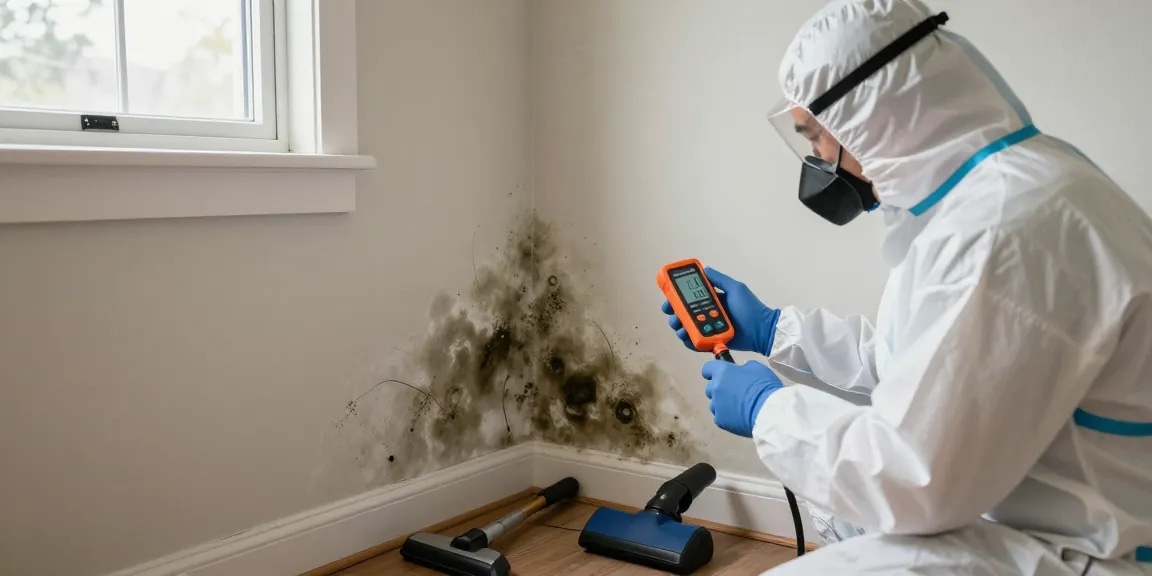
Mold remediation is the process of identifying, controlling, and removing mold infestations from residential or commercial properties. This process not only involves the removal of visible mold but also seeks to address the underlying moisture issues that contribute to mold growth. Effective remediation combines physical removal of mold elements, air purification, and moisture control to prevent future occurrences. The goal is to restore a safe, healthy environment for occupants and to avoid the serious health risks that mold can pose.
The Importance of Professional Mold Remediation
While some homeowners may consider a DIY approach to mold removal, the reality is that effective remediation often requires specialized knowledge, equipment, and techniques. Professionals are equipped to handle mold safely, minimizing health risks associated with mold exposure. They understand the importance of containment, proper disposal of contaminated materials, and the use of advanced filtration systems to remove spores from the air. Engaging with certified mold remediation services ensures compliance with local regulations and standards, particularly important in regions like North Vancouver, where moisture levels can exacerbate mold issues.
Common Types of Mold in North Vancouver Homes
North Vancouver homes can harbor various types of mold, some of which can be harmful to health. Common varieties include:
- Aspergillus: Often found in damp areas, it can produce mycotoxins harmful to individuals with respiratory conditions.
- Stachybotrys (Black Mold): Known for its dark appearance, this mold can cause significant health issues, including allergic reactions and respiratory problems.
- Penicillium: This mold is often found in water-damaged buildings and can cause significant damage to materials, as well as potential health risks.
Identifying Mold Growth
Detecting mold early is crucial to minimizing its impact on health and property. Homeowners should be vigilant for signs indicating potential mold growth, allowing for timely intervention.
Signs You Need Mold Remediation
Identifying mold early can save you time, stress, and money. Here are some signs that indicate you might need professional mold remediation:
- Visible mold growth on walls, ceilings, or floors.
- Musty odors that linger, indicating hidden mold.
- Allergic reactions or respiratory issues among residents.
- Water stains or damage from leaks.
Common Sources of Moisture in North Vancouver
Mold thrives in moisture-rich environments, and understanding common sources of moisture can help you prevent mold growth. In North Vancouver, these sources often include:
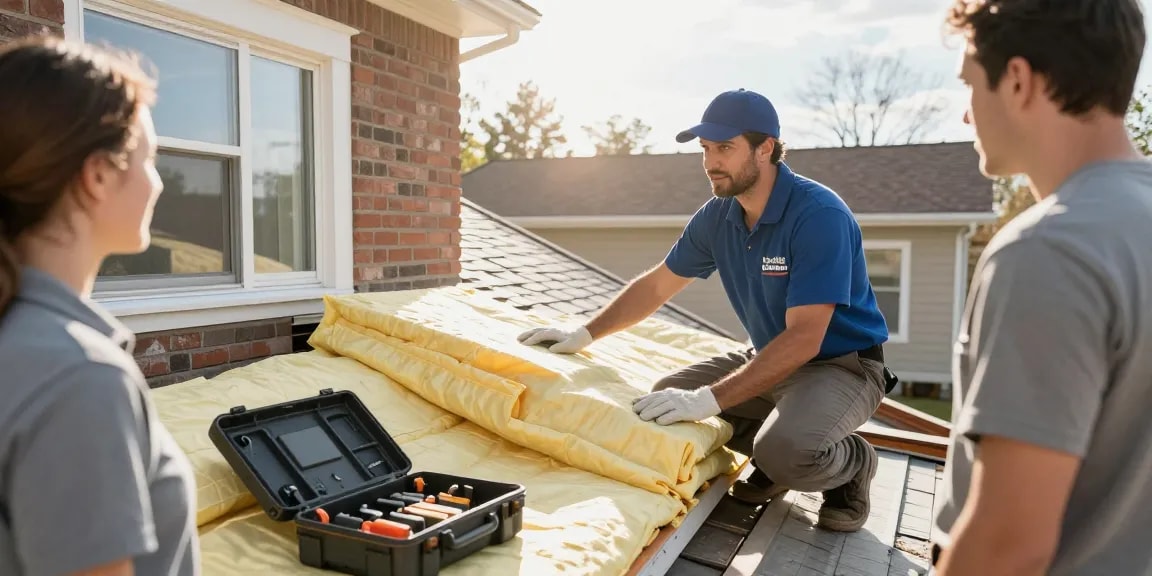
- Roof leaks that allow water intrusion.
- Poor ventilation in bathrooms and kitchens.
- Basement flooding during seasonal rains or snowmelt.
- Condensation on windows and walls due to humidity.
How Mold Spreads in Residential Areas
Mold spreads through spores that are carried by air currents. When these spores land on damp surfaces, they can quickly grow into new colonies. This is why it's essential to control moisture levels and ensure proper ventilation in the home.
The Mold Remediation Process
Understanding the mold remediation process can help homeowners grasp the importance of hiring professionals and recognize what to expect during treatment.
Step-by-Step Guide to Effective Mold Removal
The mold remediation process generally includes the following steps:
- Inspection: A thorough inspection is conducted to identify mold presence and moisture sources.
- Containment: The affected area is sealed off to prevent spores from spreading during the cleanup process.
- Filtration: HEPA air filters and scrubbers are used to remove spores from the air.
- Mold removal: Contaminated materials are carefully removed and disposed of safely.
- Cleaning: Surfaces are cleaned using antimicrobial solutions to prevent future growth.
- Moisture control: Repairs are made to eliminate moisture sources and humidity is regulated.
Role of HEPA Filtration in Mold Remediation
High-Efficiency Particulate Air (HEPA) filters are crucial in the mold remediation process, as they capture even the smallest mold spores from the air. Utilizing HEPA filtration helps reduce airborne contaminants, contributing to improved indoor air quality and the prevention of further mold growth.
Importance of Post-Remediation Inspection
After the completion of mold removal, a follow-up inspection is vital to ensure that the mold has been effectively addressed and that no moisture sources remain. This step is essential in confirming the integrity of the remediation and safeguarding against recurrence.
Costs and Considerations
Understanding the financial aspects of mold remediation is crucial for planning your approach to resolving mold issues effectively.
Factors Influencing Mold Remediation Costs
The costs associated with mold remediation can vary widely based on several factors, including:
- Size of the affected area.
- Extent of mold growth and types of affected materials.
- Accessibility of the mold-affected location.
- Local labor rates and services required.
Is DIY Mold Removal Worth It?
While some homeowners may consider attempting mold removal themselves to save money, this approach can lead to more significant problems if the mold is not adequately addressed. Professional remediation services have the necessary tools, knowledge, and experience to ensure thorough removal and prevent future growth, making them a worthwhile investment.
What to Expect from Professional Services in 2026
As technology and techniques evolve, professional mold remediation services in 2026 are expected to incorporate even more advanced methods, including enhanced filtration systems and thermal imaging to detect hidden mold. Expect a focus on eco-friendly practices, with the use of less harmful chemicals and a stronger emphasis on indoor air quality.
Preventative Measures
Once mold has been remediated, taking steps to prevent future growth is essential for maintaining a healthy environment in your home.
How to Prevent Future Mold Growth
Preventing mold growth involves a combination of moisture control and maintenance. Homeowners can take proactive steps such as:
- Regularly inspecting plumbing for leaks and repairing any damage promptly.
- Ensuring proper ventilation, especially in high-moisture areas like kitchens and bathrooms.
- Using dehumidifiers in damp areas to reduce humidity levels.
Best Practices for Homeowners
Homeowners should educate themselves about mold prevention and maintenance. Regular cleaning, especially in high-humidity areas, can significantly reduce mold risk. Additionally, maintaining proper insulation and ensuring drainage systems function effectively can mitigate moisture buildup.
The Role of Dehumidifiers in Mold Prevention
Dehumidifiers are incredibly effective in managing humidity levels, particularly in basements and other prone areas. By keeping relative humidity below 50%, you can significantly reduce the potential for mold growth, contributing to a healthier indoor living environment.
What Health Risks Can Mold Cause?
Mold exposure poses several health risks ranging from mild allergic reactions to severe respiratory issues. Symptoms can include:
- Respiratory Issues: Coughing, wheezing, and difficulty breathing.
- Allergies: Nasal congestion, sneezing, and skin rashes.
- Long-term Effects: Chronic health conditions can develop with prolonged exposure.